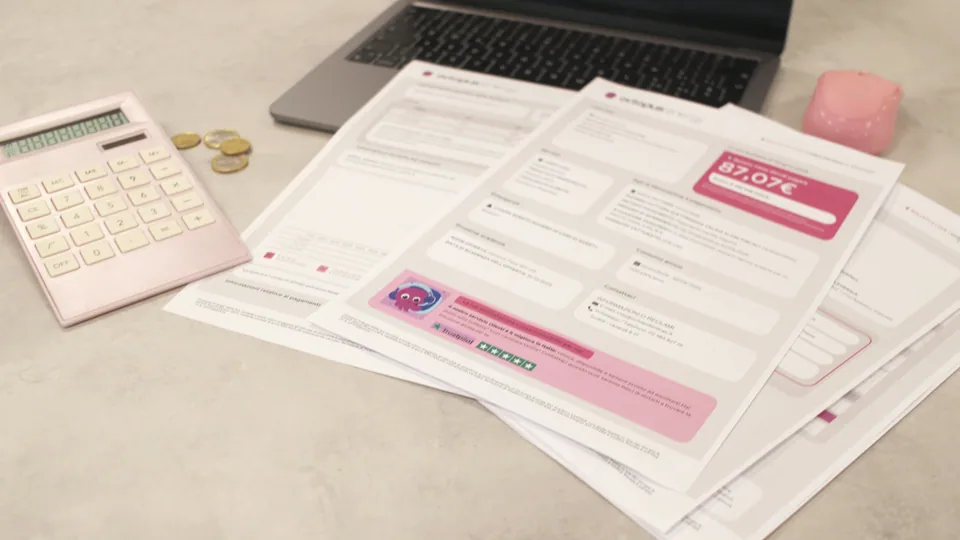
Splitting bills becomes much easier if everyone agrees on the system before the first payment is due.
For most student houses, the simplest approach is:
| Rent | Pay your own agreed share directly or transfer it to whoever pays the landlord |
| Gas and electricity | Split equally unless someone's usage is clearly very different |
| Water | Split equally |
| Broadband | Split equally |
| Council Tax | Usually not payable if everyone is a full-time student |
| Shared household items | Use a shared pot or track purchases separately |
Option 1: One person manages everything
One housemate puts the main bills in their name and everyone transfers their share each month.
This is simple, but the account holder takes on more responsibility. Set up standing orders so they aren't constantly chasing people for money.
Option 2: Use a bill-splitting app
Apps such as Splitwise are useful for recording who paid for what and automatically calculating who owes whom.
This works particularly well for irregular costs such as cleaning products, shared food, replacement light bulbs or household purchases.
Option 3: Open a shared bills account
Another option is for everyone to transfer a fixed amount into a dedicated account each month, with utilities and broadband paid from there.
Keep a small buffer in the account so a higher winter energy bill doesn't leave it short.
Avoid overcomplicating small differences
Trying to calculate exactly who used £3 more electricity or bought one fewer toilet roll usually creates more arguments than savings.
For normal shared costs, equal splitting is usually the fairest and easiest system. Only use different contributions where there is an obvious reason, such as one person having a much larger room with significantly higher rent.
Whatever method you choose, keep the bills visible to everyone and review the amount being paid every few months. Transparency prevents most problems before they start.